
HOW TO USE COLOR PSYCHOLOGY IN MARKETING
how to use color psychology in marketing- Understanding color psychology in marketing and branding is one of the most powerful ways to influence customer decisions without saying a single word. Colors shape how people feel, remember, and connect with a brand. When marketers combine strategic color choices with EEAT (Experience, Expertise, Authoritativeness, and Trustworthiness), they can build brands that look appealing and feel credible. That is why modern businesses focus heavily on using color psychology in marketing and branding.
Why Color Psychology Matters
Most customers make a first impression within seconds, and color plays a huge role in that moment. Whether a brand wants to appear bold, calm, luxurious, or friendly, the right color instantly communicates that message. Brands with strong EEAT principles use color psychology in marketing and branding to make those impressions trustworthy and intentional.
For example, tech companies often choose blue to signal trust and stability. Fitness brands use red or orange to show energy and movement. Simply by using meaningful colors, brands can strengthen the customer’s emotional connection before any text or visuals are even processed.
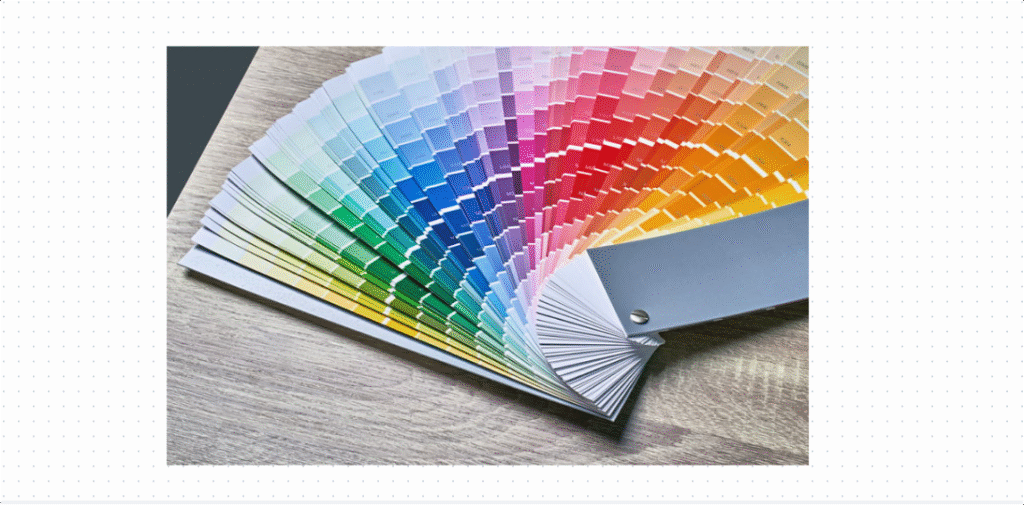
The Emotional Meaning Behind Common Colors
To use color psychology effectively, it’s important to understand the emotional associations behind each color:
Red – passion, excitement, urgency
Blue – trust, stability, professionalism
Yellow – optimism, warmth, positivity
Green – balance, health, nature
Purple – creativity, luxury, imagination
Black – elegance, authority
Orange – confidence, enthusiasm
Knowing these meanings makes it easier to decide how to use color psychology in marketing without overwhelming your audience.
How to Choose the Right Colors for Your Brand
1. Define Your Brand Personality
Start by asking: What emotions should people feel when they interact with your brand? Playful brands may use brighter colors, while serious or premium brands often rely on deeper, calmer shades. Clear brand identity helps you choose colors with intention.
2. Understand Your Audience
Different audiences react to colors in different ways. Younger customers may be drawn to bold, lively palettes, while older or professional audiences may prefer neutral or classic colors. Cultural differences also influence color interpretation. When you understand your audience’s mindset, you can make better decisions about how to use color psychology in marketing for them specifically.
3. Connect Colors With Your Message
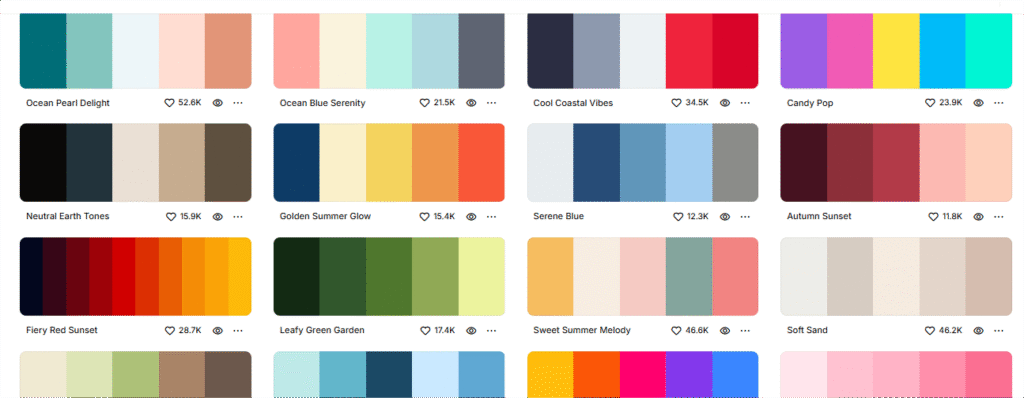
Your color palette should match the values you want your brand to express. For example:
Wellness brands often use greens and neutrals.
Tech companies prefer blues to signal trust.
Creative brands lean toward purple or vibrant hues.
Consistency between message and color strengthens recognition and credibility.
Brand Consistency Across Platforms
A major part of understanding how to use color psychology in marketing is making sure your color choices stay consistent everywhere your brand shows up. Colors lose their impact if they keep changing, which is why brand consistency across platforms matters so much. When your website, social media posts, ads, packaging, and offline materials all use the same palette, customers start linking those colors directly to your identity.
This repetition strengthens memory and creates trust. If someone sees your colors again and again across different platforms, they instantly recognize your brand—even before reading your name. That’s the true power of knowing how to use color psychology in marketing: the right colors, used consistently, help your brand feel familiar, reliable, and professional.
Examples of Color Psychology in Real Brands
Some of the world’s most recognizable brands rely heavily on color:
~Coca-Cola uses bright red to create excitement and draw attention.
~Starbucks uses green to promote calmness and a welcoming atmosphere.
~LinkedIn and Facebook use blue to establish professionalism and trust.
These choices show how color becomes a key part of a brand’s identity over time.
FINAL REMARKS
Learning how to use color psychology in marketing allows brands to communicate emotion, personality, and trust more effectively. The right colors can influence perception, improve conversions, and strengthen brand loyalty. By understanding color meanings, staying consistent, and matching your palette to your message, you can create a brand presence that feels intentional and memorable.